What You Do With Money Matters More Than Making It
Sep 28, 2026
Making more money doesn’t mean you’re building wealth. You can run a multi-million-dollar business, have a yard full of trucks and equipment, stay booked out for months and still have very little to show for it personally.
For the last 12 weeks, we’ve talked about building a business that can operate and grow without the owner being buried in every decision. Now we’re moving into what comes next, building wealth through ownership.
And before we get into investments, assets, or passive income, we have to start with mindset. Because at some point, the question has to change from “How do I make more money?” to “What am I doing with the money I’m already making?” That’s where building real wealth starts.
Why Are You Building the Business in the First Place?
Why did you start your business? For me, one of the goals has always been to create more income faster so I can take that money and put it into things that eventually pay me without requiring me to work every day, like real estate investments.
I enjoy working. I’ll probably always be doing something. But there’s a big difference between choosing to work and waking up knowing you have to work because everything stops the second you do.
That’s why I’ve spent years taking profits from the business and putting them into real estate, commercial properties, the campground and other investments that can create cash flow. The business produces active income, and I use some of that income to build things that can eventually produce income without me. But getting there requires discipline long before you feel wealthy.
More Money Creates More Opportunities to Waste Money
One of the easiest traps to fall into happens when the business finally starts doing well. You’ve spent years driving the crappy truck, working ridiculous hours and saying no to things you wanted. Then the money finally starts coming in.
Suddenly you can afford the nicer truck. You can afford the bigger house. You can afford the boat. You can upgrade equipment. You can add another crew. You can justify just about anything if you try hard enough. That’s lifestyle creep.
Your income goes up, but your spending rises right alongside it. Eventually you sit down with your accountant and hear how much money you supposedly made that year and wonder where the hell all of it went. It went somewhere. You just didn’t have a plan for it. A wealthy mindset means deciding what the extra money is supposed to accomplish before it shows up.
Buy Something That Buys the Boat
Delayed gratification doesn’t mean you can never enjoy what you’ve built. I have nice things. I’m not telling anybody they need to spend the rest of their life living like they’re broke. But there’s a different way to think about buying them.
Say I want a boat with a $1,000 monthly payment. Instead of immediately buying the boat, I can first put money into an asset capable of producing that $1,000 a month. Now the asset pays for the boat. Eventually the boat is paid off, but I still own the thing producing the income.
That’s a completely different outcome than spending the original money on something that depreciates until there’s very little left to show for it. The goal isn’t to never buy what you want. It’s to build something that can pay for what you want.
Bigger Isn’t Always Better
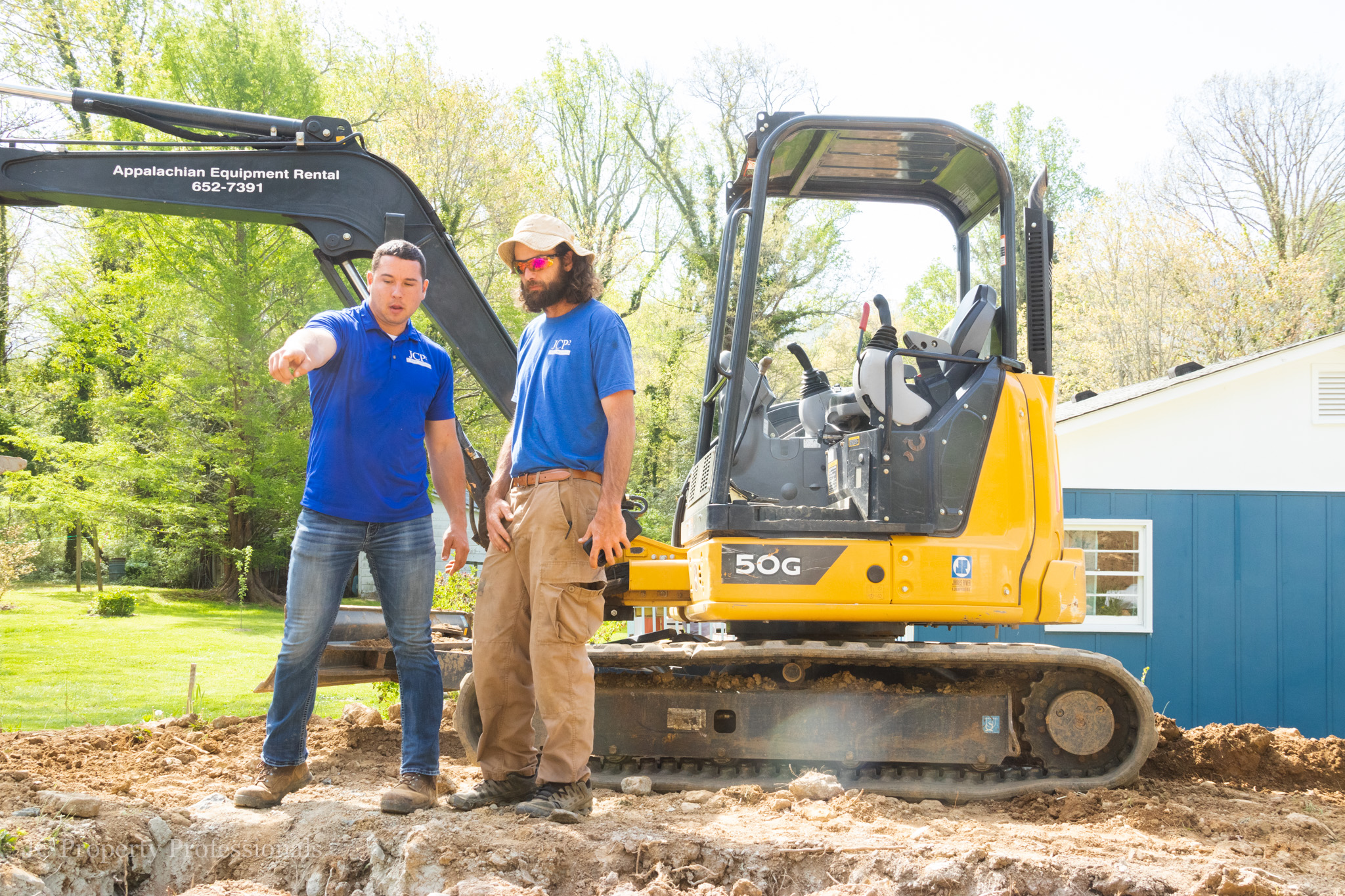
Business owners can fall into the exact same trap inside their companies. You make more money, so you buy another truck. Then you add another crew. Then another piece of equipment. Revenue keeps climbing, so it feels like you’re winning. But look at the bottom line. If revenue increases while expenses increase at the same rate, you may have created a much larger operation without actually creating significantly more profit.
There’s nothing wrong with growing. If adding another crew increases the bottom line, there may be a great reason to do it. But growth should have a purpose.
Sometimes the better move may be getting extremely good at what you already do, maximizing the profit from it and putting some of that profit somewhere outside the operating business that creates another source of income.
Income, Net Worth and Cash Flow Aren’t the Same Thing
This is one of the biggest distinctions business owners need to understand. You can make $500,000 a year and spend $500,000 a year. You have a high income, but what did that income actually build? Net worth is different. Cash flow is different.
An asset you own has value that can contribute to your net worth. An asset producing money every month can create cash flow. And while you can build income, net worth and cash flow simultaneously, simply increasing one doesn't guarantee you're increasing the others. That’s why chasing a bigger income number alone can become a trap. The money coming in matters, but what that money turns into matters more.
Discipline Also Gives You Options
There was another important part of this conversation that had nothing to do with buying investments. Sometimes keeping capital available is exactly what allows you to make the next move.
One member on the call talked about transitioning into more complicated, higher-end work. That learning curve cost money. Jobs took longer and things had to be redone. The team was learning together, and production wasn't where it normally would be. That’s the reality of adding a new service sometimes. You’re going to pay for the education one way or another.
If you don’t have another source of cash flow supporting you during that transition, you need enough capital available to survive the learning curve. That’s another reason blowing every profitable month on things you suddenly think you “deserve” can hurt you later.
The money you didn’t spend might be exactly what gets you through the season that takes your business to another level.
Have a Plan for Every Dollar
You don’t have to follow my exact investment strategy. In fact, I specifically told everyone on the call that some of the things I do with my own cash are extremely aggressive and carry risk. What works for somebody 13 years into business with existing cash-flowing investments may make absolutely no sense for somebody in year one.
The bigger point is having a strategy. When the business produces extra profit, where is it going? Are you reinvesting it into the company because there’s a clear opportunity to increase profit? Are you keeping capital available because you’re preparing for growth? Are you buying an asset? Are you creating another source of cash flow? Or did you make some money and immediately find something new to spend it on?
Building wealth starts long before you own a bunch of assets. It starts with developing the discipline to think beyond what you can afford right now and deciding what you want your money to build for you later. Because eventually the goal is for your money to start doing some of the work.
Next week, we’re continuing the wealth-building series by breaking down income vs. assets and why making a lot of money and actually building wealth are two very different things.