Turning Customers Into Lifetime Revenue
May 25, 2026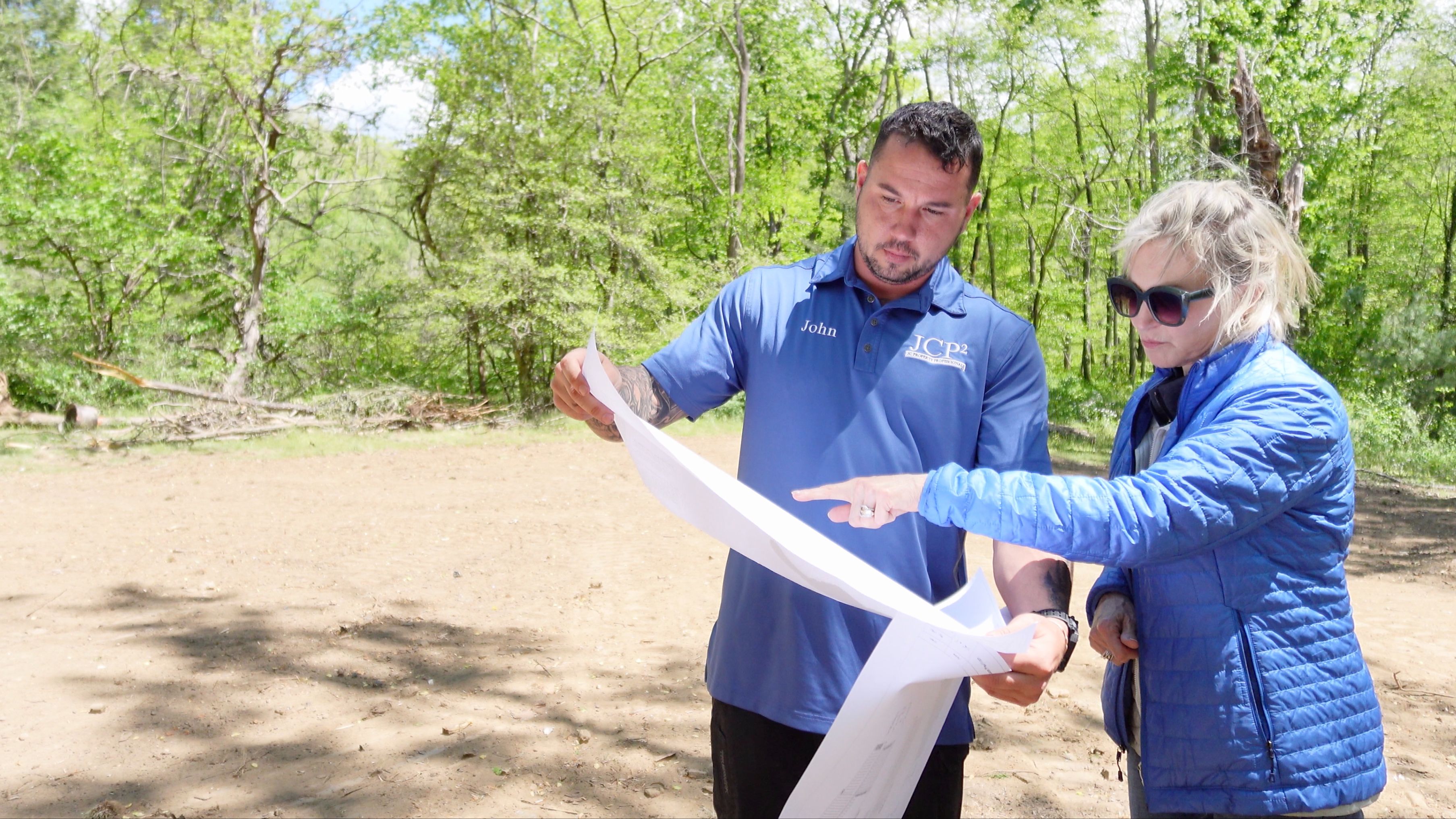
We’re into Week 10 of our 12-week Dominate Your Busy Season series, and this phase is all about getting more out of the work you’re already doing. This week, John was joined by Logan Sendle from Blue Collar Business Accelerator to talk about something a lot of contractors overlook: turning customers into lifetime revenue instead of treating every job like a one-time transaction.
The Transactional Mindset Is Expensive
A lot of blue-collar businesses operate with a very transactional mindset. The job gets sold, the work gets completed, and mentally the relationship ends there. But that approach makes it nearly impossible to build repeat business or strong referral networks. Every customer should be viewed as a long-term relationship, not just a single invoice. The goal is not simply finishing the work and moving on. The goal is creating an experience that makes the customer want to call you again and recommend you to everyone they know.
Customers Remember How You Made Them Feel
Most contractors focus entirely on the finished product. The problem is customers rarely remember only the work itself. They remember how the process felt. You can deliver an incredible project, but if communication was poor, expectations were unclear, or the experience felt stressful the entire time, there’s a good chance that customer never calls you again. What usually determines whether a customer stays loyal is how you handle those hard situations, like delays and mistakes, and how well you communicate throughout the process. Good service matters, but good communication matters just as much.
It Starts During the Sales Process
Long-term customers are usually created long before the work begins. A lot of frustration later in the project comes from poor alignment during the sales consultation. If someone is gathering six or seven quotes and shopping entirely on price, there’s a good chance they were never the right customer to begin with. Having some type of consultation process before driving out to quote helps eliminate bad fits and protects your time. The goal is alignment. You want customers who value the service, respect the process, and appreciate quality, not just the cheapest number on paper.
Communication Is the Difference Maker
One of the biggest breakdowns in customer experience comes from communication gaps. A lot of contractors sell the job and then disappear until work starts. Customers are left wondering when you’re showing up, what’s happening next, or whether they should be hearing from you at all. That uncertainty creates stress. Overcommunication almost always works better than undercommunication. If schedules change, communicate it. If weather delays happen, communicate it. If expectations around payment exist, communicate them early. Customers shouldn’t be surprised at the finish line. Something as simple as clearly explaining payment expectations before the project starts can prevent unnecessary tension later and protect the relationship long-term.
Underpromise and Overdeliver
One of the simplest ways to improve customer experience is managing expectations better. A lot of contractors overpromise because they’re afraid they’ll lose the job if they give realistic timelines. Then delays happen, schedules slide, and customers become frustrated before the project even gets underway. That breakdown is hard to recover from.
The better approach is simple: underpromise and overdeliver. If you tell someone two weeks and show up six weeks later, the relationship is already damaged. But if you give realistic expectations and finish ahead of schedule, the entire experience feels different. People will wait for contractors they trust, especially when communication stays strong throughout the process.
Small Touches Leave Big Impressions
A lot of contractors underestimate how much small gestures matter. Listening during consultations, remembering personal details, or simply showing customers you care goes much further than most people realize. Sometimes it’s offering to grab them a coffee on the way to the site, a handwritten card, a thoughtful gift, or a quick follow-up after the project wraps up. These things are inexpensive, but they create emotional connection and emotional connection creates loyalty! People remember when they feel cared for.
Follow-Up Is Where Most Contractors Fail
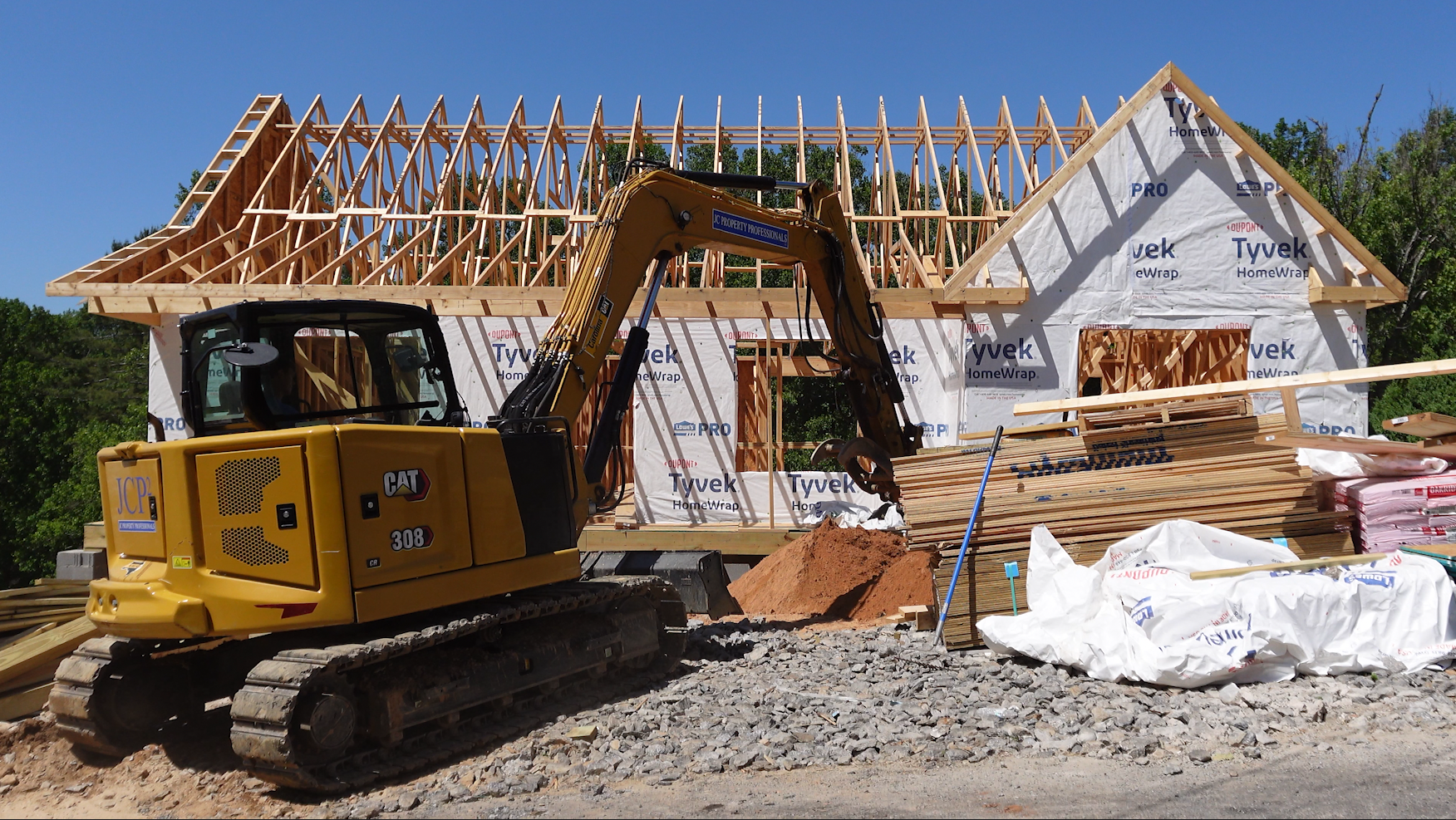
A lot of businesses finish the job, collect the check, and disappear. That’s where opportunity gets left on the table. Following up a few days later to check on the property, making sure everything settled correctly, or simply asking how things are holding up keeps the relationship alive. The job site itself is also your billboard. If a property looks rough after you leave, especially in neighborhoods where people see your work every day, that becomes negative advertising. Spending a little time and money making things look exceptional after the project is often one of the cheapest forms of marketing available.
Referrals Need to Be Intentional
Most contractors are terrible at asking for referrals. Not because they don’t want them, but because they don’t want to sound pushy or salesy. The reality is if you know you delivered a great experience, asking for referrals should feel natural. Happy customers are often willing to recommend you, they just need a reason or reminder to do it. And today, referrals go far beyond phone books and word of mouth. A single social media post from a thrilled customer can put your company in front of hundreds or thousands of local people.
Your Database Is One of Your Most Valuable Assets
One of the biggest takeaways from this week was how important customer databases really are. If customer information only lives in your phone or scattered across old text messages, you have no real follow-up system. Which means no way to remarket, no way to stay visible, and no way to reconnect months or years later. That’s where a CRM becomes so valuable. If you control the customer relationship and maintain good records, you can stay in front of people through email, text, social media, direct mail, or simple follow-up conversations.
If you don’t already have a CRM, this is exactly why we recommend Jobber. Having customer information, job history, notes, and communication all in one place makes follow-up easier and helps turn one-time customers into long-term relationships instead of lost opportunities.
Get 2 free weeks of Jobber plus 20% off for 6 months using this link!!
Building Relationships with Customers
The biggest lesson you all should take from this week is simple: stop treating customers like transactions! Care about them, communicate with them. educate them, but most importantly stay in front of them! And build systems that allow those relationships to continue long after the first project ends. The contractors who win long-term aren’t always the ones doing the flashiest work. They’re usually the ones who create the best overall experience