Is It Actually an Asset or Is It Costing You Money?
Oct 05, 2026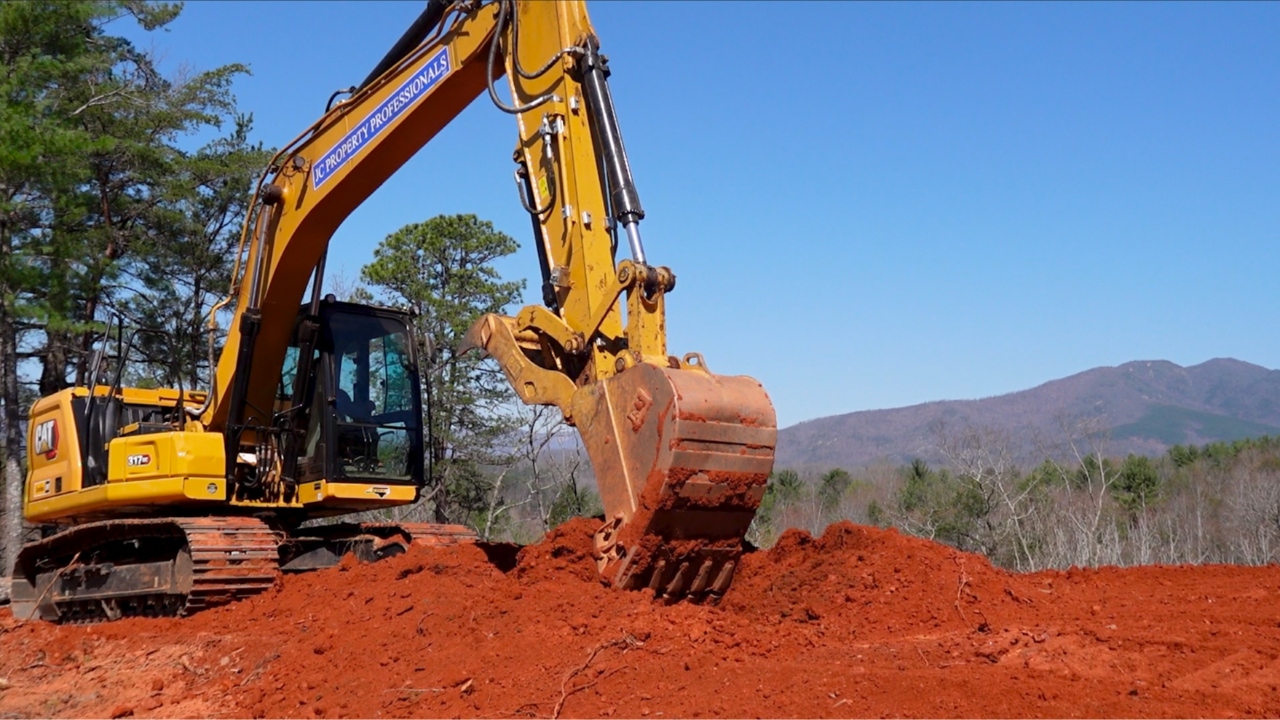
Making money in your business is only the first step. Building wealth depends on what you do with that money and whether the things you buy continue putting money back in your pocket.
A new truck, another excavator, a bigger shop, or more equipment can make it look like your business is growing. But owning more stuff doesn’t automatically mean you’re building more wealth. Sometimes the things we call assets are actually just costing us money every month.
Last week inside Dirt to Dollars, we continued our Building Wealth Through Ownership series by talking about income, assets, liabilities, cash flow, equity, and how to think differently about where the profits from your business are going. The bigger question behind all of it: Is the money you’re spending actually helping you build wealth, or is it just giving you more things to pay for?
There Are Four Places Your Money Can Go
As business owners, especially in blue collar businesses, a lot of the money we make ends up going into one of four buckets: active income, lifestyle spending, business reinvestment, or wealth building assets.
Active income is what you’re producing every day through the business. Lifestyle spending is what you use to support the way you live. Business reinvestment could be another truck, equipment, marketing, software, employees, or anything else you’re putting back into the company. Then you have wealth building assets, which are things you own because they can create cash flow, build equity, appreciate, or provide long term value.
None of those buckets are automatically good or bad. You need income. You need to live. Your business needs investments to grow. The problem comes when nearly every dollar you make gets poured back into lifestyle or the business without ever creating anything outside of your active income.
That’s why clarity around what you’re building matters. If your plan is to use the business to eventually create other sources of income and long term wealth, your spending decisions should reflect that.
Cash Flow and Equity Build Wealth in Different Ways
An investment doesn’t necessarily have to put a huge check in your pocket every month to be valuable. Say you own a rental property free and clear and it produces $1,500 a month after expenses. That’s cash flow you can actually use.
Now say you finance another property and the rent essentially covers the payment. You may not be putting much additional cash in your pocket every month, but someone else is helping pay down the debt while your equity increases.
The best situation is finding something that can do both so, produce cash while also building equity and potentially appreciating over time.
That distinction matters because it changes the way you look at where you put the profits from your business. Instead of only asking how much something costs, you start asking what that money is going to create after you spend it.
Your Equipment Isn’t Automatically an Asset
This is where the conversation gets especially relevant for contractors. We love equipment. You finish a profitable job, there’s money sitting in the account, and immediately you start thinking about the excavator, skid steer, truck, trailer, or attachment you could buy next. But buying equipment for the business doesn’t automatically make it a good investment.
Say you buy an excavator. There’s the purchase price or monthly payment, but that isn’t the true cost of owning it. You also have fuel, maintenance, repairs, insurance, depreciation, and somebody who has to operate it.
Then ask the question that actually matters, after all of those costs, is this machine producing net cash for the business?
If it is consistently working and producing more than it costs, great. But if it spends most of the month sitting in the yard while you continue making payments and watching it depreciate, calling it an asset doesn’t change what it’s doing to your bank account.
A piece of equipment can also change over time. Something that made you money for years can eventually reach the point where repairs, maintenance, downtime, and depreciation start outweighing what it produces. Holding onto it simply because it’s paid for or because you like owning it can keep money tied up that could be working somewhere else.
Put Every Purchase Through an Asset Test
Before putting a big chunk of money into something, there are a few questions worth asking.
Does it produce net cash? Not revenue. What is actually left after the operator, fuel, maintenance, management, repairs, insurance, and everything else required to own it?
Does it appreciate or build equity? A piece of real estate may increase your equity as the debt gets paid down. Equipment may have equity once it’s paid off, but it’s also typically depreciating at the same time.
What does it cost to own? The purchase price is only part of the equation. Real estate has taxes, insurance, vacancies, repairs, and management. Equipment has fuel, maintenance, repairs, operators, insurance, and downtime.
How much of your time does it require? This one matters more than people realize. If you’re trying to build a business and investments that eventually give you more freedom, putting your money into something that requires another 20 hours of your week may move you in the opposite direction.
Look for investments that can produce cash, appreciate or build equity, have manageable ownership costs, and require little of your time. Those questions force you to look beyond the excitement of buying something and think about what it will actually do for you after you own it.
Sometimes Renting Makes More Sense Than Owning
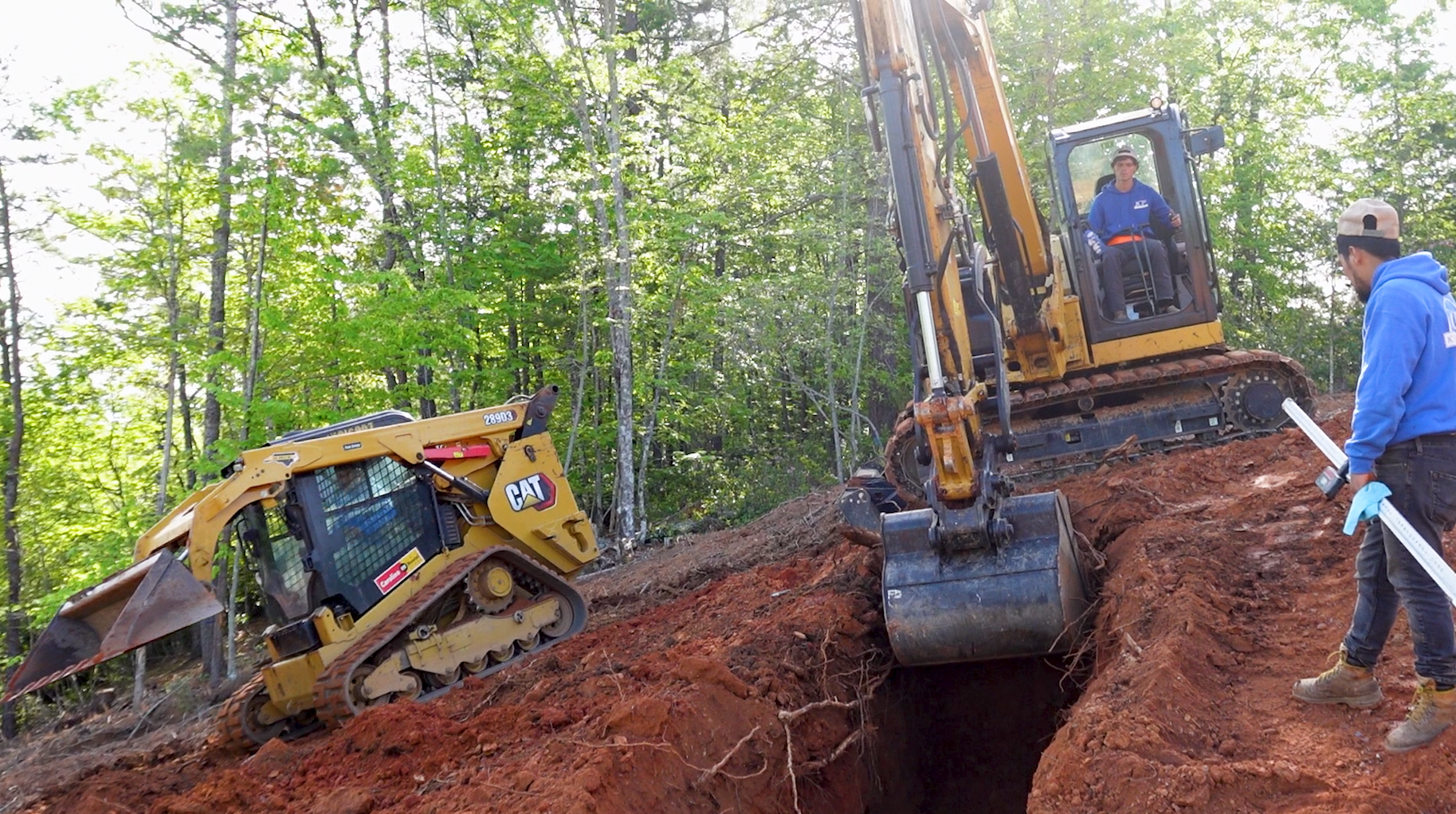
One of the members on the call brought up a problem a lot of contractors eventually run into, he had more equipment than people to operate it. His most expensive machine was also the one sitting the most. That’s $100,000 plus tied up in something that continues depreciating whether it works or not.
One way to evaluate that situation is to go back through the previous quarter or year and figure out how often you actually used the machine. Then compare the total cost of ownership against what it would have cost to rent it only when you needed it.
One rule we talked about was renting a machine until you have around three months of consistent work on the books for it. Once the work is predictable enough to keep that machine producing, ownership becomes much easier to justify. If that work disappears later, you either need to create more demand for the machine or reconsider whether it still belongs on your books.
There’s nothing wrong with owning equipment. The problem is owning equipment simply because you think a growing contractor is supposed to own more equipment.
Every Purchase Has an Opportunity Cost
There’s another cost that never shows up on the invoice. That is, what else could you have done with that money?
Imagine finishing a large job and having a significant amount of cash available. You decide to use it to buy another excavator. A month later, a great real estate deal lands in front of you. It has the potential to cash flow, build equity, appreciate, and require very little of your time. Except now you can’t buy it because your cash is sitting in the excavator.
That doesn’t automatically mean buying the excavator was wrong. Maybe it’s producing a great return for the business. But every time you deploy capital somewhere, you give up the ability to deploy those same dollars somewhere else. That’s opportunity cost. The better you understand what you’re ultimately trying to build, the easier it becomes to decide which opportunities deserve your money.
Start Looking for Opportunities Before You Have the Money
Good investments rarely show up exactly when you decide you want one. That’s why building wealth requires paying attention before you’re ready to write the check. There can also be opportunities sitting right inside the work you already do.
I’ve bought properties from people who originally called me about demolition. Instead of only looking at the demolition job, I started asking what they planned to do with the property afterward. Sometimes the owner simply wanted the property gone and didn’t want to deal with demolition, permits, contractors, real estate agents, and selling it themselves. Those opportunities become easier to notice when you already know what you’re looking for. If you decide you want to start building assets that produce cash flow and equity, you begin seeing jobs, properties, relationships, and deals differently.
Make Your Money Work as Hard as You Do
Your business can be an incredible tool for creating income, but income by itself isn’t the finish line. The bigger opportunity is learning how to take some of what the business produces and turn it into things that can keep creating value without requiring you to start over every Monday morning.
That might mean reinvesting in equipment because the numbers prove it will increase profit. It might mean buying real estate. It might mean holding capital until the right opportunity comes along. The right answer depends on what you’re trying to build.
What matters is that there’s a reason behind the decision. Before spending the next big check, ask yourself what that money is going to do once it leaves your account.
Next week, we’re continuing the Building Wealth Through Ownership series talking about Your First Investment Property. We’ll get into how to start thinking about that first real estate investment and what you should be looking for before you buy.