Buying Land, Building Income, and Avoiding Another Full-Time Job
Oct 26, 2026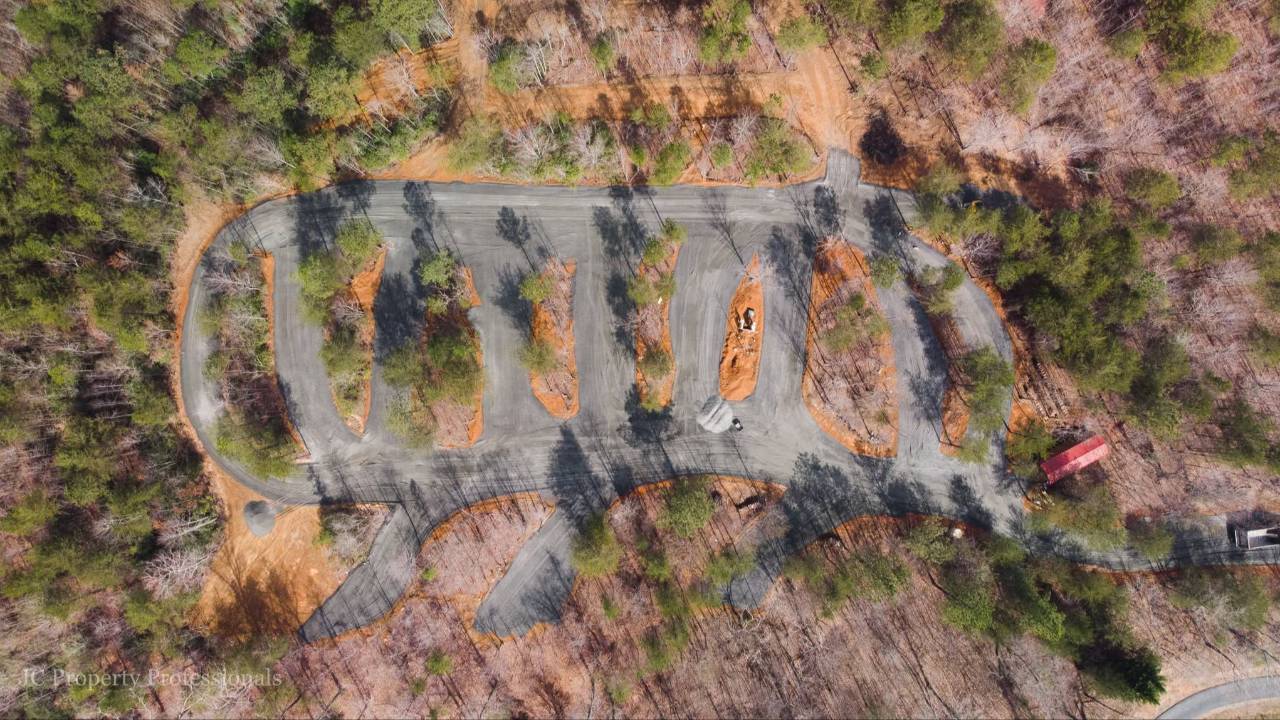
RV parks, campgrounds, and other land-based investments can create additional income for blue collar business owners. But the way you develop and manage them determines whether you're buying an asset or creating another full-time job.
One of the biggest advantages of owning a blue collar business is the opportunity to use the money you're making to invest in something outside of your daily operations. You've spent years building a company, managing employees, dealing with customers, and figuring out how to make money. At some point, you want that money to start working for you, too. But there's something a lot of business owners overlook when they start investing which is just because an investment generates revenue doesn't mean it's passive income.
Last week inside Dirt to Dollars, we continued our Building Wealth Through Ownership series with a discussion about RV parks, campgrounds, and alternative investments. We talked about buying land, developing rental sites, finding undervalued properties, and using automation to create income without adding another business to manage. I also shared how we're developing our own campground, why we're building it in phases, and what I would look for if I were buying an existing RV park.
Are You Buying an Investment or Starting Another Business?
RV parks and campgrounds can be great investments, but how you operate them makes a huge difference. Think about two different types of campgrounds.
The first has RV sites with power, water, and sewer hookups. Guests reserve their spots online, pay through the website, and show up with their own campers. There's some property maintenance and the occasional utility issue, but most of the reservation process is automated.
The second campground has a convenience store, swimming pool, golf cart rentals, firewood sales, cabins, and other amenities. Now you've got employees to manage, inventory to purchase, facilities to maintain, and customers who need assistance.
Both properties can make money, but they're two completely different investments. The second one might generate significantly more revenue, but it also requires more involvement. You're not just collecting rent anymore. You're operating another business. That's not necessarily a bad thing. If you have the time, people, and systems to manage it, there could be a lot of opportunity there.
But if you're already running a busy blue collar business and your reason for investing is to create income outside of it, you need to be careful about how much responsibility you're taking on. You might have extra money to invest, but that doesn't mean you have extra time.
Why I Like Investments Where You're Essentially Renting Land
Some of my favorite real estate investments are properties where you're primarily renting a piece of land rather than an entire building. That could include RV sites, mobile home lots, boat storage, or fenced yards where businesses park trailers and equipment.
In many cases, you're providing a space and a limited amount of infrastructure. You're not responsible for maintaining an entire house, replacing appliances, or handling all the repairs that come with a traditional rental property.
For an RV park, you might provide gravel pads, electrical hookups, water, and sewer connections. For boat or equipment storage, you might need a fenced lot, secure gate, and enough room for customers to park and access their property. Each type of investment has different requirements, but the appeal is similar, you're collecting income from the use of land without necessarily owning everything sitting on it.
That doesn't mean these properties are maintenance-free. You still have insurance, taxes, utilities, groundskeeping, repairs, and other operating expenses. But with the right setup, you can keep the day-to-day responsibilities relatively simple.
How We're Developing Our Campground Without Taking on Unnecessary Risk
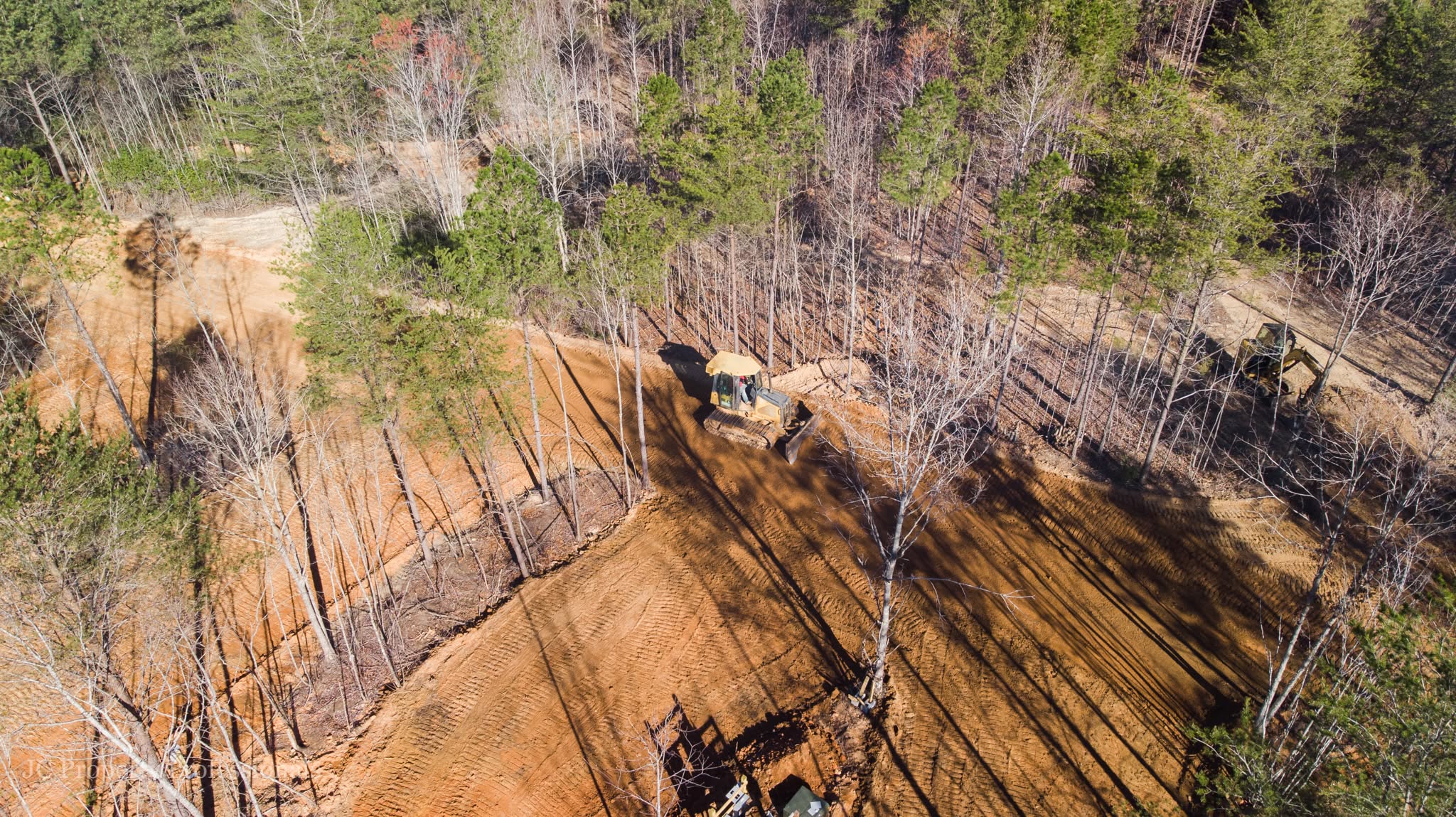
I'm currently building out our own campground. Rather than purchasing land and immediately developing hundreds of RV sites, we're approaching the project in phases. I purchased the property and started by developing the first group of sites. That involved clearing and leveling areas, installing septic systems, drilling a well, running water lines, bringing power to the sites, and putting down gravel. Once the infrastructure was in place, we set up a website and reservation software so customers could book their stays and pay online.
The process is largely automated. Guests can reserve a spot, arrive with their camper, stay, and leave without us having to personally handle every reservation. We still have to maintain the property and deal with issues when they come up, but we're not trying to create another company that requires our attention every day.
The other advantage of building in phases is how we're funding future development. As the first sites generate rental income, that money can help pay for the infrastructure needed to develop the next group of sites. Instead of putting all our money into the property upfront, we can gradually expand as the income supports it. It takes longer, but it also allows us to see whether there's enough demand before spending money on the next phase.
Buying an Existing RV Park Could Be an Even Better Opportunity
Building from scratch isn't the only way to invest in campgrounds and RV parks. There are also opportunities to purchase existing properties that aren't being operated as efficiently as they could be.
Theres some older campground owners who have been operating their properties for years but haven't made many improvements. Maybe they haven't raised rental rates in a long time. Their cabins are outdated, the gravel roads need attention, or they still take reservations over the phone instead of using an online booking system. The property might already have customers, infrastructure, and a history of generating income, but there's an opportunity for someone to come in and improve it. That's what makes a value-add investment attractive. You aren't necessarily starting from nothing. You're purchasing an existing asset and looking for ways to make it more profitable. However, the opportunity only exists if you buy it at a price that leaves enough room to pay for those improvements and still make money.
Don't Underestimate the Cost of Fixing an Existing Property
It's easy to look at an older RV park and start thinking about everything you could improve. But those improvements take time and money. Let's say you purchase a campground for $400,000 or $500,000 with plans to renovate the property, increase rental rates, and automate the booking process. If you're already busy operating your primary business, when are you going to do all that work?
What happens when the campground's well fails and you unexpectedly need to spend $15,000 drilling a replacement? What if the septic system needs repairs, the cabins are in worse condition than expected, or the rental demand isn't as strong as the seller suggested?
Those problems can quickly turn what was supposed to be an investment into something that consumes your time and cash. Before buying an existing property, you need to understand its condition and how much it will realistically cost to improve it. You also need enough financial reserves to handle unexpected expenses without taking money away from your primary business. And if you don't have the time to oversee the improvements, you need someone who does. A property with potential isn't automatically a good investment if you don't have the resources to turn that potential into income.
Build Assets That Give You More Options
The reason I like these types of investments is that they can create income without requiring the same level of involvement as running another service business. That's especially important when you've already spent years building a company that depends on your time, employees, and daily operations. You don't want to work hard to build one business, finally have some money to invest, and then turn around and create another job for yourself.
Look for properties where you can keep the operation simple, automate what makes sense, and gradually increase the income they produce. And remember that there's nothing wrong with passing on a deal. There will always be another piece of land, another campground, or another investment opportunity. The important thing is buying something that makes financial sense and fits the amount of time and money you're willing to put into it.
Next week inside the Dirt to Dollars Operator program, we're continuing our Building Wealth Through Ownership series with Storage Units and Equipment Rentals. We'll explore how these investments can generate additional income, what it takes to operate them, and how blue collar business owners can evaluate whether they're worth pursuing. Join us Thursday at 7 PM ET for the next live coaching call!