Build the Business That's Right for You: Residential or Commercial?
Aug 07, 2026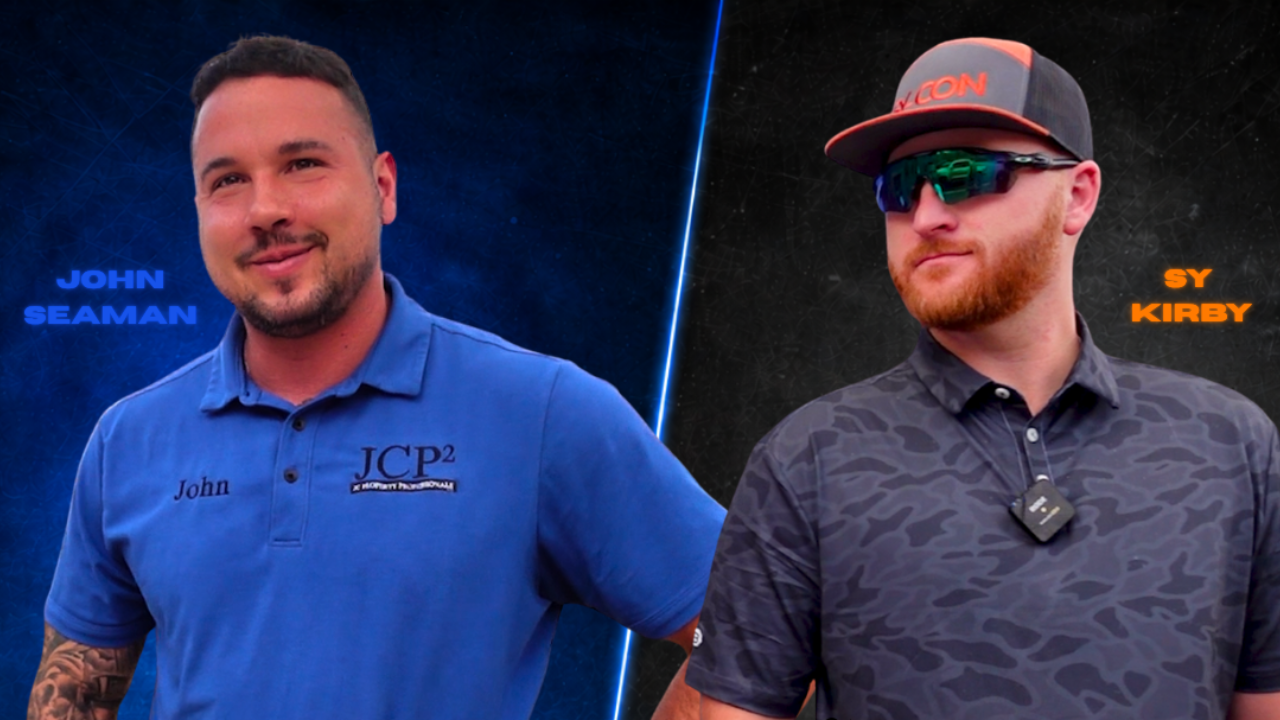
One of the most common questions contractors ask is whether they should move into commercial work. From the outside, it looks like the natural next step. The jobs are bigger, the equipment is bigger, and the contracts have more zeros attached to them. It's easy to assume commercial construction is where every successful contractor eventually ends up.
Sy Kirby, founder of Sy Con Excavation & Utilities, joined this week's Dirt to Dollars call with John Seaman and one thing that became clear is that that's the wrong question to ask. The goal isn't to just build a commercial business, but to build the business that's right for you.
Sy has built a successful company in the commercial utility world. At the same time, John has built JC Property Professionals by serving homeowners, builders, and developers while taking on commercial work when it makes sense. They simply require different systems, different customers, different relationships, and different definitions of success.
Too many contractors spend their careers chasing someone else's version of success instead of building one that fits the life they're trying to create.
One is Not Better Than The Other. It's Just Different.
Commercial work carries a certain reputation in the construction industry. Bigger projects often create the impression that the business behind them must also be bigger and better. The reality is far more complicated.
Commercial construction comes with larger contracts, but it also comes with more paperwork, more planning, more coordination, longer payment cycles, and different expectations. Residential work moves faster, often creates stronger relationships with customers, and can generate excellent profits when it's managed well. Neither one is easier or automatically more profitable, and neither one guarantees success.
One point that stood out from the conversation was how often contractors lump all commercial work into one category. In reality, underground utilities, site development, municipal projects, subdivisions, and private commercial work all operate differently. Becoming successful in one doesn't automatically prepare you for another.
The better question isn't, Should I go commercial? It's, What type of work fits my company, my team, and the way I want to do business?
Bigger Jobs Don't Always Build Bigger Businesses
One of the best stories Sy shared wasn't about a project that made him money. It was about one that didn't. Like many contractors, there came a point where expanding into larger commercial earthwork projects felt like the obvious next step for bigger equipment, contracts, and opportunities.
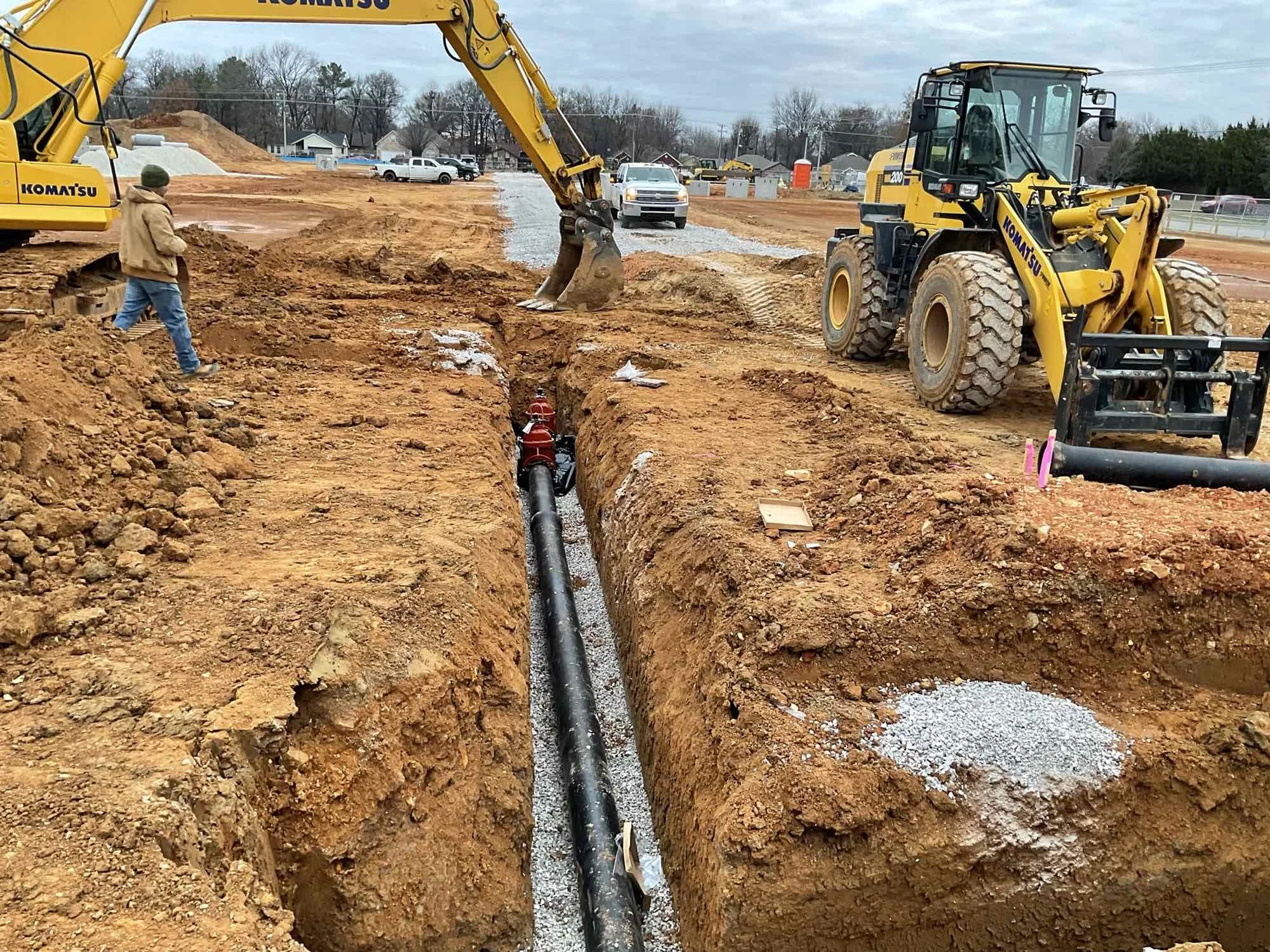
Instead, those jobs became some of the most expensive lessons his company had experienced. After stepping back and evaluating where the business was actually making money, the answer became obvious. Underground utilities had always been the company's strength. The crews understood the work. The systems were already in place and the margins were healthier. Chasing larger earthmoving projects wasn't making the business better, it was actually pulling attention away from what the company already did exceptionally well.
It's a lesson almost every business owner eventually learns which is that growth isn't about saying yes to everything. Sometimes growth comes from having the discipline to stay focused on what you do best.
Every Job Is Bigger Than It Looks
One of the reasons Sy was eventually trusted with larger commercial projects had very little to do with the size of the jobs he started with. He earned those opportunities by taking care of the work other people overlooked. They backfilled around curbs, installed roof drains, and finished the small pieces of larger projects that kept jobs moving.
None of those projects looked like the breakthrough everyone hopes for, but each one introduced him to project managers, superintendents, and general contractors who remembered the quality of his work.
Residential businesses work exactly the same way. A homeowner hiring you to remove a few trees today might build another house next year or a builder asking you to clear one lot may eventually hand you an entire neighborhood.
The project you're working on today is rarely just about today's paycheck. It's an opportunity to earn trust with someone who may continue opening doors for years to come.
Relationships Create More Opportunities Than Marketing
Something both John and Sy have experienced throughout their careers is that relationships outlast projects. John shared a story about watching someone allow a relatively small disagreement to destroy a valuable business relationship. In the moment, standing their ground probably felt like the right decision. Not long afterward, another opportunity came along that would have been worth far more than the original disagreement, but the relationship had already been damaged.
That's how business works. Most people don't lose opportunities because they aren't capable, they lose them because they underestimate the value of the people they're working with today. Builders move to different companies, project managers get promoted, homeowners recommend contractors to friends, employees become foremen, etc... The people around you are often creating opportunities you'll never even know about. That's why every interaction matters.
Build a Business That Supports Your Life
As businesses grow, success has a way of changing. Early on, success usually means getting enough work to keep the lights on. Then it becomes hiring employees, buying equipment, and increasing revenue. Eventually, though, those goals start shifting.
One of the most interesting parts of the conversation centered around how priorities change over time. Building a profitable business still matters, but so does building one that creates freedom. The goal isn't to just make more money, but to build a company that gives you more choices, more flexibility, and more time with the people who matter most.
That's why comparing your business to someone else's rarely works. Some owners genuinely enjoy running large commercial operations with dozens of employees. Others would rather build a highly profitable residential company with a smaller team and less complexity. Neither definition is wrong. The mistake is assuming there's only one path to success.
Build Your Business, Not Someone Else's
One of the biggest takeaways from this conversation had nothing to do with residential versus commercial construction. It was about intentionality. Every business owner has opportunities they'll need to say yes to and others they'll need to walk away from. The challenge is knowing the difference.
The companies that last aren't always the "biggest". They're the ones built around clear priorities, strong relationships, and a willingness to stay focused on what they do best instead of constantly chasing what looks bigger.
If you haven't already, we encourage you to check out Sy Kirby's YouTube channel. He shares honest jobsite content, practical business lessons, and a behind the scenes look at building a successful excavation company from the ground up. Whether you work in commercial construction, residential services, or somewhere in between, there's plenty to learn from someone who's willing to share both the wins and the mistakes. ➡️ https://www.youtube.com/@Sy-Con
Next week, John will jump back into the Dirt to Dollars coaching series with Systems That Scale, where we'll discuss how documented processes, repeatable systems, and clear expectations help your business continue growing without creating more chaos for the owner. Join us there! ➡️ https://www.skool.com/dirt-to-dollars/about