Creating Company Culture
Jul 27, 2026
Pizza parties, company outings, and a list of core values on the wall don't create culture. They're nice additions, but they aren't what your employees or customers experience every day. Real culture is built through expectations, accountability, and the standards your team upholds when you're not standing beside them. If your business can't consistently deliver the same experience without you present, then your culture still depends on you instead of the team you've built.
This week's Dirt to Dollars coaching call focused on creating a high-performance culture, not by following corporate trends, but by building an environment where the right people want to work, grow, and hold one another accountable. The goal isn't to create a culture that appeals to everyone. It's to create one that attracts the kind of people you actually want to spend every day working alongside.
Your Culture Is Your Reputation
One of the simplest ways to define culture is to ask what a customer experiences when you're nowhere around. Do your employees communicate professionally? Do they take ownership when something goes wrong? Do they cut corners when nobody is watching, or do they deliver the same quality every time?
Those everyday actions tell people far more about your company than a mission statement ever will. Your culture is reflected in how your team treats customers, how they treat each other, and whether they consistently uphold the standards you've set as the owner. If you expect excellence, accountability, and professionalism, those expectations have to become part of the way your business operates every single day, not just when you're on the jobsite.
Build the Culture You Want to Hire For
One of the most valuable ideas from the call was that social media shouldn't only generate customers, it should also attract employees. Many business owners spend thousands of dollars advertising open positions, yet never show people what it's actually like to work for their company.
The best employees usually aren't scrolling job boards looking for work. They're already employed somewhere else. Over time, though, they'll start paying attention to businesses that consistently show a great work environment, strong leadership, quality equipment, and opportunities to grow. When they're finally ready for a change, they'll already know which company they want to call because they've been watching it for months or even years.
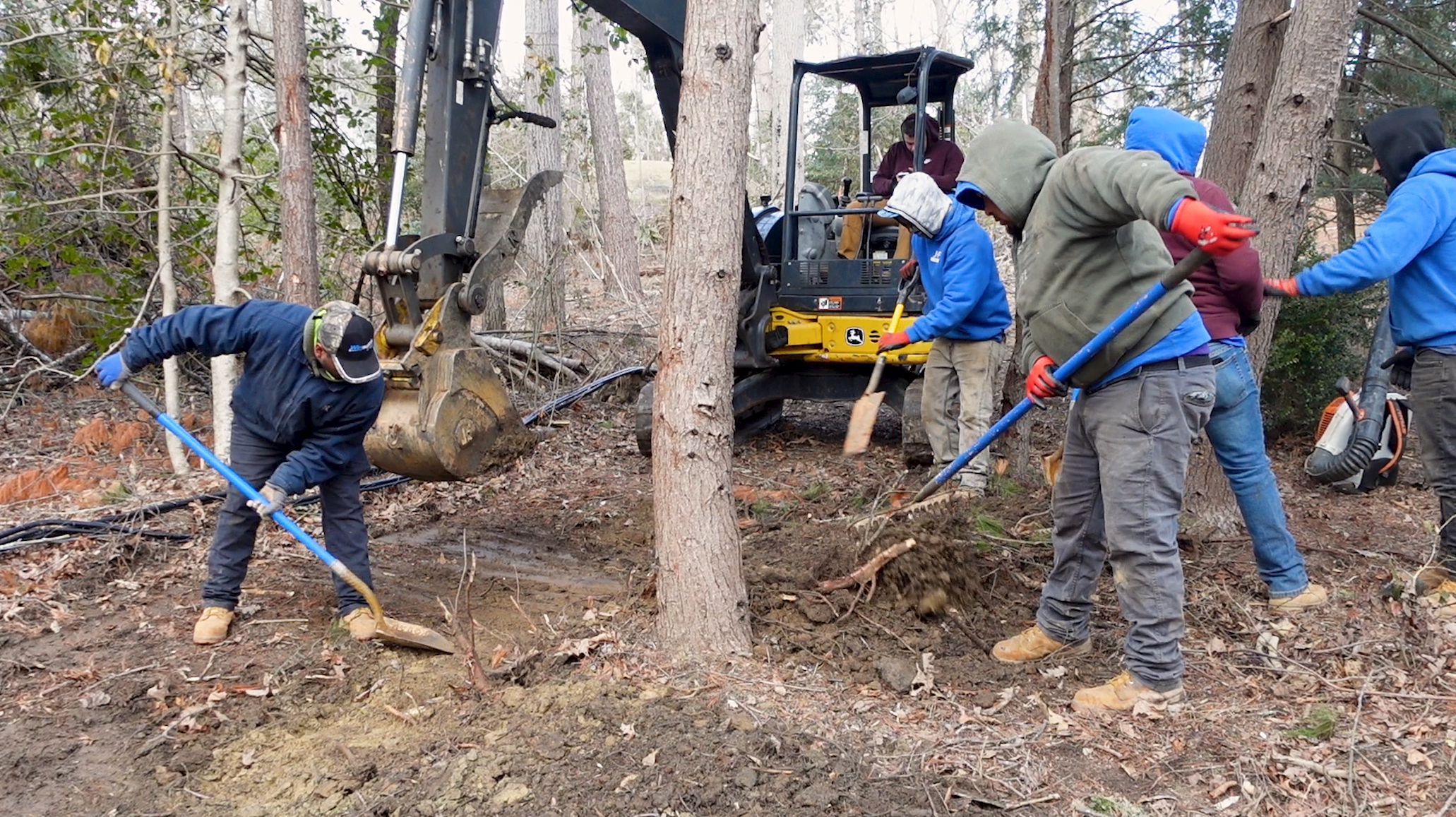
That doesn't require polished recruiting videos or staged interviews with your employees. Simply documenting your day-to-day operations, showing your team working together, highlighting completed projects, and giving people an honest look behind the scenes often does a much better job of communicating your culture than any hiring advertisement ever could.
High Performers Want to Work With High Performers
Culture is reinforced by the people already on your team. When high performers consistently hold one another accountable, new employees quickly learn what's expected. On the other hand, when poor attitudes or weak performance are tolerated, everyone notices and your best employees notice first.
Strong cultures aren't created because the owner constantly corrects every mistake. They're created because the team begins protecting the standard together. When accountability becomes part of the environment instead of something that only comes from the owner, your business starts operating at a much higher level. People know what's acceptable, they know what's expected, and they aren't willing to let the standard slip simply because the boss isn't around.
The Owner Sets the Standard
No culture survives if the owner doesn't model it first. Employees will always pay more attention to what you do than what you say. If you expect people to work hard, communicate professionally, and take pride in their work, you have to demonstrate those same behaviors yourself.
At the same time, creating a high-performance culture doesn't mean building a company that fits everyone. Every business owner has a different leadership style, different expectations, and different goals. The objective isn't to attract every employee in your market. It's to attract the employees who thrive in the environment you're intentionally creating. When your culture is authentic instead of manufactured, the right people naturally become drawn to it while the wrong people recognize it isn't the right fit.
Next week we'll build on this conversation by talking about Developing Leaders. A strong culture starts with strong leadership, and we'll cover how to identify, develop, and empower the people who can help carry your standards throughout the business instead of relying on you to do it all.